India Tour
India is a country where history feels alive. Everywhere you go, you find reminders of ancient kingdoms, powerful empires, and traditions that have lasted for centuries. An India historical tour gives you a chance to see this past up close. You walk through old forts, explore sacred temples, listen to local legends, and learn how different cultures shaped the country.
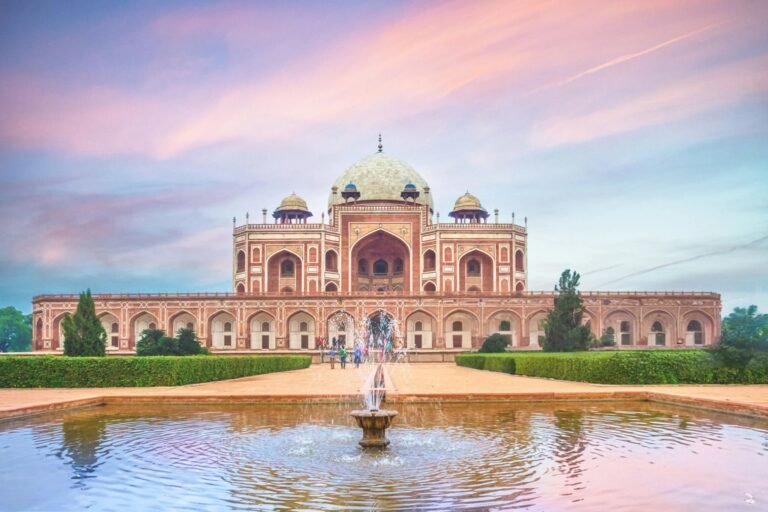
Your trip usually begins in Delhi. The capital has lived through many eras, and each one left something behind. Old Delhi is filled with narrow lanes, spice markets, and grand structures built by the Mughals. The Red Fort and Jama Masjid still stand strong, showing the power and skill of that period. In other parts of the city, you find monuments from earlier Hindu and Islamic rulers, along with buildings from the British era. This mix sets the tone for the rest of your journey.
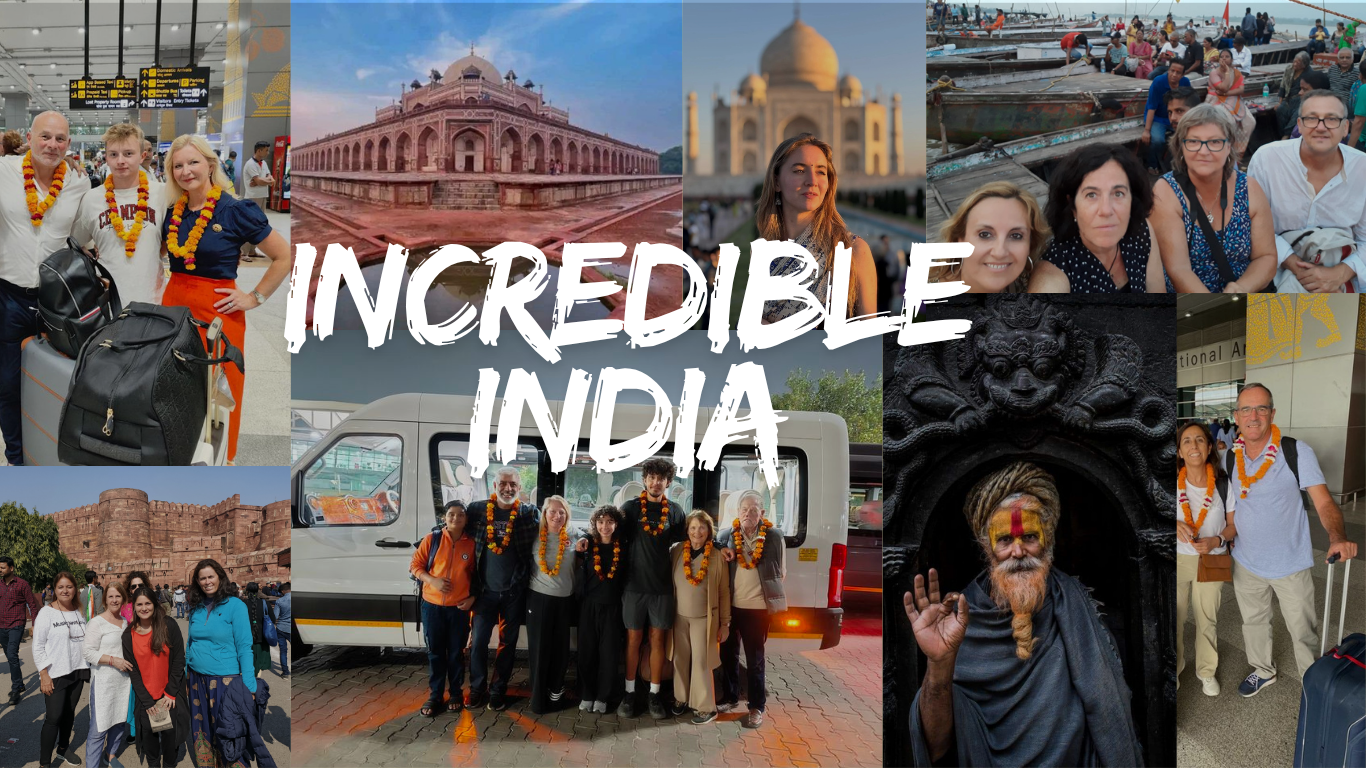
Most historical tours continue on to Agra. The Taj Mahal is the main attraction, and seeing it in person is a moment most travelers never forget. The white marble, the symmetry, and the quiet gardens create a peaceful atmosphere. Agra also has Agra Fort, a massive structure filled with palaces, halls, and stories of the Mughal kings. Nearby Fatehpur Sikri was once the capital of the empire. Walking through its empty courtyards gives you a real sense of how life might have looked hundreds of years ago.
Rajasthan brings another chapter of India’s past. The state is full of forts, palaces, and old towns that look almost unchanged. Jaipur’s Amber Fort sits on a hillside with beautiful courtyards and mirror work. Jodhpur’s Mehrangarh Fort rises above the blue city like a guardian. Udaipur’s City Palace looks out over the lake and shows the elegance of the Rajput rulers. In Rajasthan, history blends with traditional dance, music, and crafts that have been passed down for generations.
A deeper historical journey often includes places like Khajuraho and Varanasi. Khajuraho is famous for its detailed temple carvings that show the artistic talent of the Chandela dynasty. Varanasi, one of the oldest living cities in the world, offers a very different kind of history. Its riverfront ghats, temples, and rituals show how spiritual traditions have continued for thousands of years.
In the South of India, the story changes again. Hampi is a massive open-air museum filled with temples, stone chariots, and royal buildings from the Vijayanagara Empire. Mahabalipuram has ancient rock-cut temples that show the early days of South Indian architecture. Madurai’s Meenakshi Temple is known for its tall towers covered in colorful sculptures.
What makes an India historical tour special is the variety. Every region has its own style of architecture, its own stories, and its own culture. You are not just looking at old buildings. You are learning how different communities lived, traded, fought, and created art. You feel the connection between the past and the present as you walk through the same streets where kings, poets, saints, and travelers once walked.
If you want a trip filled with depth, discovery, and memorable stories, an India historical tour gives you all of that. It helps you understand the country on a much deeper level and shows you how India’s long history continues to shape its identity today.