The Beauty of Indian Culture Traditions That Still Inspire the World
Indian culture is one of the oldest living cultures in the world, and its influence is still growing. What makes it so special is the mix of languages, festivals, food, values, and everyday traditions that shape life here. Anyone who spends time in India feels how deeply culture is connected to people’s emotions, behaviour, and celebrations.
A Culture That Greets You With Warmth
Respect is at the centre of Indian culture. A simple “Namaste” carries sincerity and warmth. Touching elders’ feet, seeking blessings, eating together, or offering water to a guest these small gestures show how kindness forms the base of Indian values.
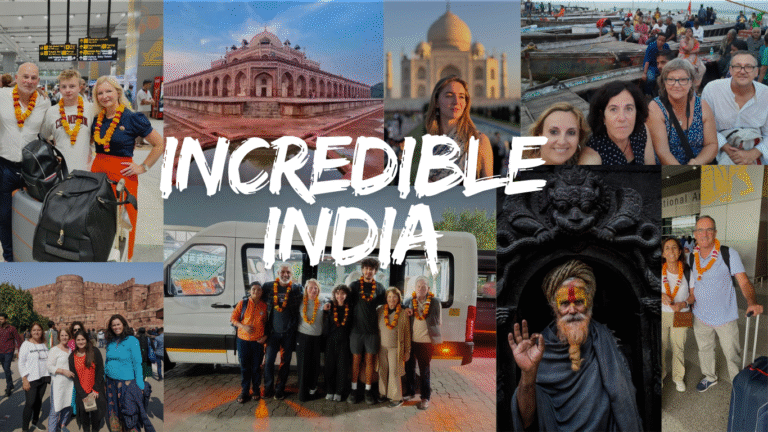
The idea of “Atithi Devo Bhava” (the guest is like God) is not limited to homes; it reflects in travel, hospitality, and the way strangers help each other. This welcoming nature is one reason travellers remember India long after they leave.
Festivals That Celebrate Life
India celebrates festivals throughout the year, and each one has its own story and mood.
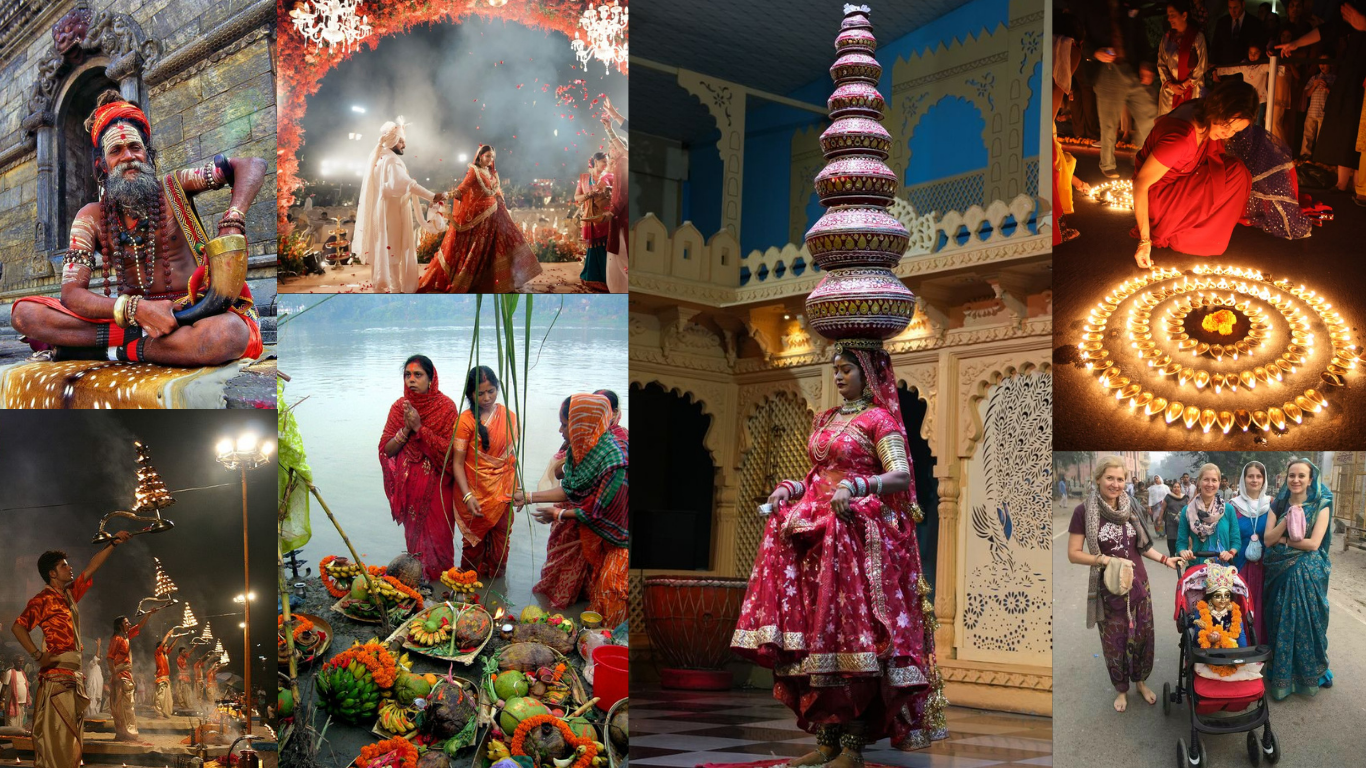
Diwali brings light and hope.
Holi fills the streets with colours.
Navratri brings nights full of dance and devotion.
Eid highlights the joy of sharing.
Christmas, Baisakhi, Onam, and Makar Sankranti show how regional cultures add richness to the country.
What makes Indian festivals beautiful is how they unite people. Families gather, neighbours visit, and communities celebrate together regardless of backgrounds.
Food That Carries History and Heart
Indian food is one of the most diverse in the world. From North Indian curries and breads to South Indian dosas and coconut-based dishes, every state offers its own flavours.
Spices, techniques, and recipes have been passed down for centuries, making food a part of cultural identity.
Street food like chaat, pani puri, idlis, kachori, parathas, and biryani reflects creativity and regional tastes. Food in India is not just a meal; it is a way of bonding and expressing care.
Art, Music, and Dance That Preserve Tradition
India’s artistic heritage is vast. Classical dances like Bharatanatyam, Kathak, Odissi, and Kuchipudi use expression and movement to tell stories.
Classical music traditions Hindustani and Carnatic continue to influence musicians worldwide.
Handcrafts such as Madhubani art, block printing, weaving, pottery, and metalwork showcase skills that have survived for generations. These arts remind us that creativity has always been part of Indian life.
Languages That Show Diversity
India has hundreds of languages and thousands of dialects. Each language carries its own culture, literature, humour, and worldview.
Hindi, Tamil, Bengali, Marathi, Telugu, Gujarati, Punjabi, Malayalam, Kashmiri every language adds its own flavour to the country.
This diversity shows how India holds many identities yet stays united.
Spirituality That Brings Peace
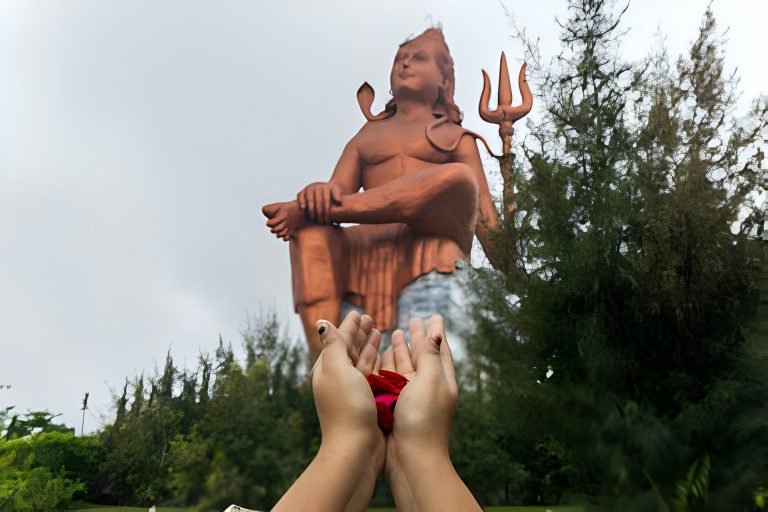
India has been a centre of spirituality for thousands of years. Yoga, meditation, and ancient philosophies have inspired the world to slow down, breathe, and look inward.
Cities like Varanasi, Rishikesh, Haridwar, Bodh Gaya, and Amritsar attract people seeking balance, clarity, and peace. Indian spirituality focuses on harmony, compassion, and inner calm rather than strict rules, which is why it appeals to so many.
Traditions That Evolve With Time
One of the strengths of Indian culture is how it grows without losing its roots. Weddings still honour rituals. Families celebrate festivals together. Classical art forms are taught to new learners. Old recipes remain alive in modern kitchens.
India adapts, modernises, and moves forward, yet it stays connected to its traditions. This balance is part of the country’s charm.
Final Thought
Indian culture is beautiful because it belongs to everyone. It is colourful, diverse, spiritual, artistic, and full of warmth. The traditions of India have travelled across centuries and continue to inspire the world with their simplicity, depth, and positivity.
festival of lights, indian tradition, indian rituals. traditions of india