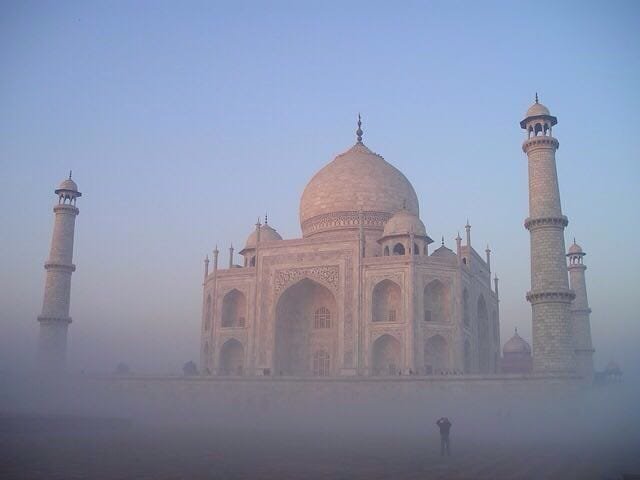
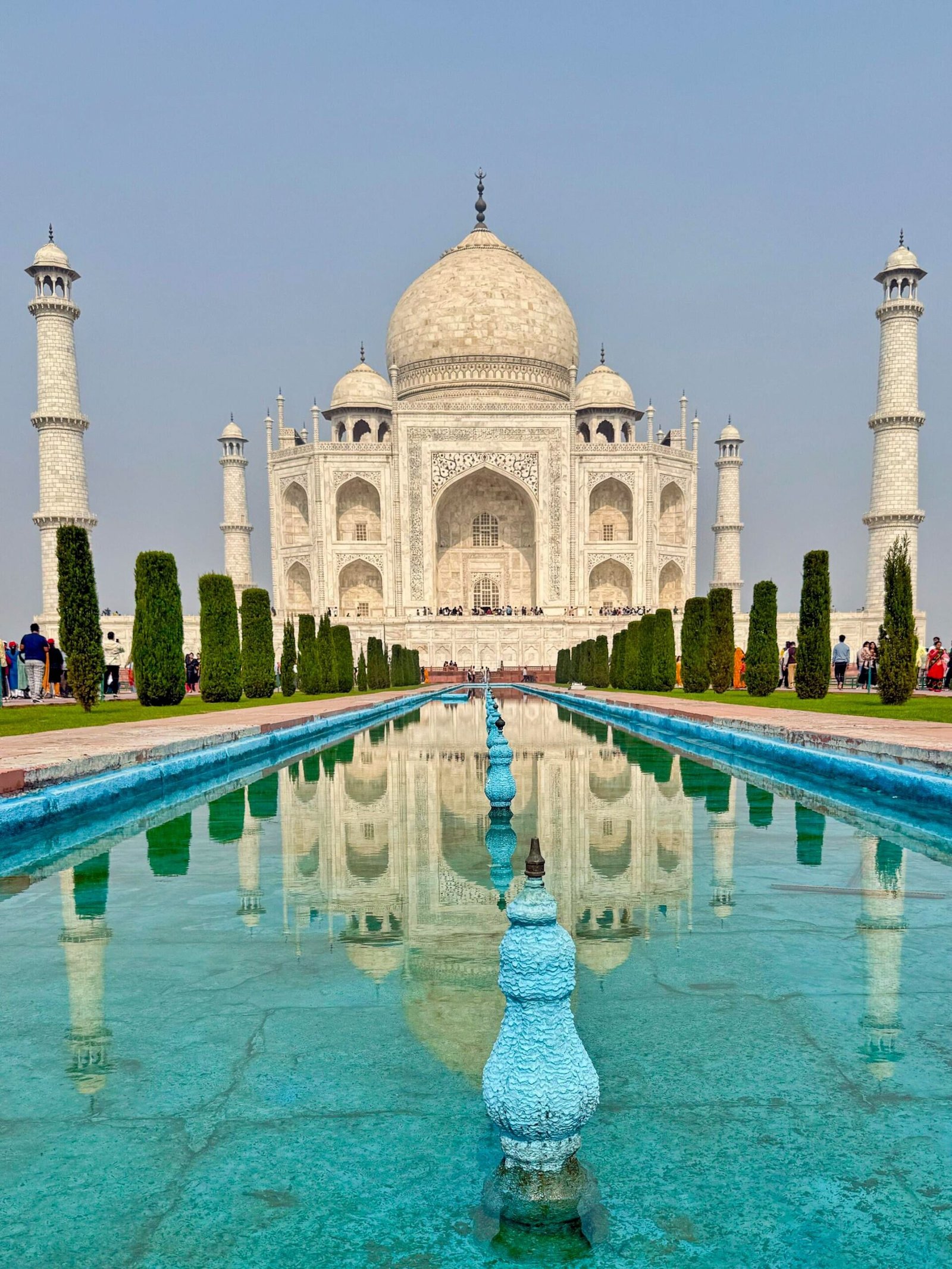
The Taj Mahal is one of the most beautiful monuments in the world and a dream destination for millions of travelers. Located in Agra, India, this magnificent white marble masterpiece attracts visitors from every corner of the globe. Built by Emperor Shah Jahan in memory of his beloved wife, Mumtaz Mahal, the Taj Mahal is not only a symbol of eternal love but also an outstanding example of Mughal architecture.
If you’re planning your first visit, you may wonder how to see the Taj Mahal in the best possible way. From choosing the right time to visit and selecting the best entrance gate to understanding ticket options and photography spots, a little planning can make your experience much more enjoyable.
This complete guide will walk you through everything you need to know before visiting the Taj Mahal. Whether you’re traveling solo, with family, or as part of a private tour, these practical tips will help you make unforgettable memories.
Why Visit the Taj Mahal?
The Taj Mahal is much more than a famous tourist attraction. It is one of the New Seven Wonders of the World and a UNESCO World Heritage Site that represents India’s rich history, art, and culture.
Here are a few reasons why millions of travelers choose to visit the Taj Mahal every year:
- Admire one of the world’s finest examples of Mughal architecture.
- Learn the inspiring love story of Shah Jahan and Mumtaz Mahal.
- Experience the beauty of white marble that changes color throughout the day.
- Capture stunning photographs in one of the most iconic locations on Earth.
- Explore beautifully designed Persian-style gardens and peaceful walkways.
- Discover intricate marble inlay work created by skilled artisans.
A visit to the Taj Mahal is not just about seeing a monument—it’s about experiencing centuries of history, architectural brilliance, and timeless beauty.
Best Time to Visit the Taj Mahal
Choosing the right time can significantly improve your experience.
Visit at Sunrise
Sunrise is widely considered the best time to see the Taj Mahal. The weather is cooler, the crowds are smaller, and the soft golden light creates breathtaking views for photography.
Benefits of Visiting at Sunrise
- Fewer tourists
- Pleasant temperatures
- Beautiful morning light
- Peaceful atmosphere
- Excellent photo opportunities
Visit at Sunset
If waking up early isn’t your preference, sunset is another wonderful time to visit. As the sun begins to set, the white marble reflects warm shades of gold and orange, creating a magical atmosphere.
However, sunset hours are generally busier than sunrise, especially during weekends and holidays.
Best Season to Visit
The most comfortable months to visit the Taj Mahal are from October to March. During this period, Agra enjoys cooler weather, making sightseeing much more enjoyable.
If you visit between April and June, be prepared for very high temperatures, often exceeding 40°C (104°F). Carry water, wear light clothing, and consider visiting early in the morning.
The monsoon season (July to September) brings greener surroundings and fewer crowds, although occasional rain showers may affect your plans.
Opening Hours
The Taj Mahal is open every day from sunrise to sunset, except Friday, when it is closed to general visitors. On Fridays, only people attending prayers at the mosque inside the complex are allowed to enter.
Night Viewing
A unique night viewing experience is available on selected full moon nights and two nights before and after the full moon (subject to weather conditions and official regulations). Seeing the Taj Mahal under the moonlight is a memorable experience, but tickets are limited and must be booked in advance.
How to Reach the Taj Mahal ?
Reaching the Taj Mahal is easy because Agra is well connected by road, rail, and air.
By Train
Agra has several railway stations with direct trains from major cities such as Delhi, Jaipur, and Varanasi. Fast trains from Delhi can reach Agra in about two hours.
By Road
Many travelers choose to drive from Delhi via the Yamuna Expressway, which offers a smooth journey of approximately 3–4 hours, depending on traffic.
Private taxis, self-drive cars, and luxury coaches are popular options.
By Air
Agra has a domestic airport with limited flights. Many international visitors arrive in Delhi and continue to Agra by train or private car.
Choosing the Best Entrance Gate
The Taj Mahal has three main entrance gates. Your choice depends on where you are staying and the time of your visit.
East Gate
The East Gate is a popular choice for sunrise visitors. It often has shorter queues early in the morning and is convenient for hotels located in eastern Agra.
Best for:
- Sunrise tours
- Early morning photography
- Visitors staying near the eastern side of the city
West Gate
The West Gate is the busiest entrance and is preferred by many visitors because it is close to central Agra.
Best for:
- Travelers staying in central Agra
- Afternoon visits
- Group tours
South Gate
The South Gate is generally used as an exit during the day and may have different opening times than the other gates. It is less commonly used for entry.
Tickets and Entry Information
Purchasing your ticket before arriving can save time and help you avoid long queues.
Ticket Tips:
- Buy tickets online whenever possible.
- Carry a valid photo ID.
- Keep your ticket safe until you leave the monument.
- Arrive at least 30–45 minutes before your planned entry time, especially during the peak tourist season.
Booking in advance allows you to spend more time exploring instead of waiting in line.
Security Check
All visitors must pass through a security screening before entering the Taj Mahal.
To make the process easier:
- Arrive early.
- Follow the instructions of the security staff.
- Keep your ticket and ID easily accessible.
Security measures help protect one of the world’s most treasured heritage monuments while ensuring a safe experience for all visitors.
What You Can Bring
Travel light for a smoother entry.
Recommended Items
- Passport or government-issued ID
- Mobile phone
- Camera
- Water bottle (if permitted under current rules)
- Sunglasses
- Hat or cap
- Comfortable walking shoes
- Sunscreen
What You Should Not Bring
Certain items are restricted inside the Taj Mahal complex.
These generally include:
- Large backpacks or suitcases
- Drones
- Tripods
- Tobacco products
- Food items
- Sharp objects
- Loudspeakers or music devices
Always check the latest visitor guidelines before your trip, as regulations may change.
Local Guide Tips for the Best Experience
As a local guide in Agra, here are a few recommendations that can make your visit even more enjoyable:
- Visit at sunrise for cooler weather and fewer crowds.
- Spend at least 2–3 hours exploring the complex.
- Wear comfortable footwear, as you’ll be walking a considerable distance.
- Take time to admire the intricate marble inlay work up close.
- Respect the monument by keeping the surroundings clean and following all posted rules.
- If you want to learn the fascinating history and hidden stories of the Taj Mahal, consider hiring a licensed local guide for a more enriching experience.
What to See Inside the Taj Mahal
After entering the Taj Mahal complex, take your time to enjoy every corner of this magnificent monument. While the white marble mausoleum is the main attraction, there are several other remarkable places that make the visit truly unforgettable.
1. The Great Gate (Darwaza-i-Rauza)
Your journey begins at the impressive Great Gate, built from red sandstone and decorated with beautiful marble inlay and verses from the Holy Quran. As you walk through the gateway, you’ll get your first breathtaking view of the Taj Mahal—a moment many visitors never forget.
Don’t rush through this gate. Pause for a few moments to admire the perfectly framed view before continuing.
Highlights:
- Magnificent Mughal architecture
- Intricate calligraphy and floral designs
- One of the most photographed viewpoints
2. The Charbagh Garden
Beyond the main gate lies the beautiful Charbagh Garden, a Persian-style garden divided into four sections by water channels and walkways.
The garden symbolizes paradise and creates a peaceful atmosphere as you approach the monument.
What Makes It Special ?
- Symmetrical landscape design
- Lush green lawns
- Flower beds
- Marble fountains
- Peaceful walking paths
This is an excellent place to slow down, enjoy the scenery, and appreciate the harmony of the entire complex.
3. The Reflecting Pool
One of the most iconic views of the Taj Mahal is its reflection in the long central pool.
On calm mornings, the reflection creates a picture-perfect scene that photographers from around the world love to capture.
Photography Tips
Visit early in the morning when the water is still and the crowds are smaller for the best reflection shots.
4. The Main Mausoleum
The white marble mausoleum is the heart of the Taj Mahal.
Its flawless symmetry, elegant dome, and delicate marble craftsmanship make it one of the finest examples of Mughal architecture ever built.
Inside the mausoleum, you’ll find the beautifully decorated cenotaphs of Mumtaz Mahal and Emperor Shah Jahan.
Note: The actual graves are located in a lower chamber that is not open to the public.
5. Incredible Marble Inlay Work
One of the most fascinating details inside the Taj Mahal is the Pietra Dura technique.
Skilled craftsmen inlaid semi-precious stones such as:
- Jasper
- Carnelian
- Lapis Lazuli
- Jade
- Turquoise
- Onyx
These stones form stunning floral patterns that remain beautiful even after centuries.
Take a closer look—you’ll notice that every flower is made by fitting tiny pieces of stone together with extraordinary precision.
6. The Mosque
Located on the western side of the complex, the red sandstone mosque is still used for Friday prayers.
Its elegant arches, domes, and prayer hall beautifully complement the white marble of the Taj Mahal.
Visitors are welcome to admire the architecture while respecting the religious significance of the site.
7. The Guest House
Directly opposite the mosque is the Guest House.
Although it is not used as accommodation today, it was originally built to maintain the perfect symmetry of the complex and to receive distinguished guests.
Together, the mosque and guest house create a balanced and harmonious design.
Best Photography Spots:
If you want memorable photos, don’t miss these locations:
-
The Main Entrance Arch
The first framed view of the Taj Mahal through the grand gateway is one of the most famous photo opportunities.
-
The Reflecting Pool
Capture the monument mirrored in the water for a classic postcard-style image.
-
The Princess Diana Bench
This famous bench became internationally known after Princess Diana was photographed here in 1992. It remains one of the most popular places for visitors to take a memorable picture.
-
Garden Pathways
The tree-lined walkways offer beautiful angles with fewer crowds, especially in the early morning.
-
Marble Platform
Standing near the main mausoleum provides close-up views of the marble details and impressive symmetry.
Common Mistakes First-Time Visitors Should Avoid
Many travelers make small mistakes that can affect their experience. Here are a few to avoid:
- Arriving late in the day and missing the best lighting.
- Visiting during peak hours without booking tickets in advance.
- Spending all their time taking photos and missing the fascinating history.
- Wearing uncomfortable shoes for a long walk.
- Ignoring the intricate marble carvings and decorative details.
- Forgetting to carry a valid photo ID.
- Not allowing enough time to explore the entire complex.
By planning ahead and taking your time, you’ll enjoy a much richer and more memorable visit to one of the world’s greatest monuments.
Essential Visitor Tips:
A little preparation can make your visit to the Taj Mahal much more comfortable and enjoyable. Keep these practical tips in mind before your trip.
-
Dress Comfortably
Wear lightweight, breathable clothing during the summer months and comfortable walking shoes, as you’ll spend a significant amount of time exploring the monument.
-
Arrive Early
The earlier you arrive, the better your experience will be. Sunrise offers pleasant weather, softer light for photography, and fewer crowds.
-
Stay Hydrated
Agra can get extremely hot, especially from April to June. Carry water (if permitted under current regulations) and protect yourself from the sun with a hat, sunglasses, and sunscreen.
-
Respect the Monument
The Taj Mahal is one of the world’s most treasured heritage sites. Help preserve its beauty by following all visitor rules, avoiding littering, and respecting restricted areas.
-
Hire a Licensed Local Guide
A licensed guide can bring the monument to life by sharing the fascinating history, architectural details, and hidden stories that many visitors miss.
Frequently Asked Questions (FAQs):
-
How long does it take to see the Taj Mahal?
Most visitors spend 2 to 3 hours exploring the Taj Mahal. If you enjoy photography or history, you may want to spend even more time.
-
What is the best time of day to visit?
Sunrise is widely considered the best time because of the cooler temperatures, beautiful golden light, and smaller crowds.
-
Is the Taj Mahal open every day?
No. The Taj Mahal is closed every Friday for general visitors.
-
Can I take photographs inside the Taj Mahal?
Photography is allowed in most outdoor areas. However, restrictions may apply inside certain parts of the main mausoleum.
-
Is the Taj Mahal suitable for children?
Yes. Families with children regularly visit the monument. Wide pathways and beautiful gardens make it an enjoyable experience for all ages.
-
Are guided tours worth it?
Yes. A guided tour helps you understand the history, symbolism, architecture, and fascinating stories behind one of the world’s most famous monuments.
-
Which entrance gate is best?
The East Gate is often recommended for sunrise visitors, while the West Gate is convenient for those staying in central Agra.
-
Can I visit the Taj Mahal and Agra Fort on the same day?
Absolutely. These two UNESCO World Heritage Sites are located close to each other, making them a perfect combination for a full-day sightseeing tour in Agra.
Conclusion
The Taj Mahal is much more than a beautiful monument—it is a masterpiece of architecture, a symbol of eternal love, and one of the most unforgettable travel experiences in the world. From its breathtaking white marble façade to its intricate craftsmanship and peaceful gardens, every corner tells a story that has captivated visitors for centuries.
Whether you’re visiting at sunrise for the magical golden light or exploring its rich history with a knowledgeable guide, careful planning will help you enjoy every moment. By choosing the right time to visit, selecting the best entrance gate, and allowing enough time to explore the entire complex, you’ll create memories that last a lifetime.
If you’re planning a trip to India, the Taj Mahal deserves a place at the top of your travel itinerary.
Book Your Taj Mahal Tour Today
Experience Agra with comfort, expert guidance, and personalized service. Whether you’re traveling from Delhi or staying in Agra, India Historical Tours (IHT) will help you create unforgettable memories at the Taj Mahal and beyond.
Contact us: Today to reserve your Taj Mahal Tour and enjoy a hassle-free journey with a trusted local travel expert.